
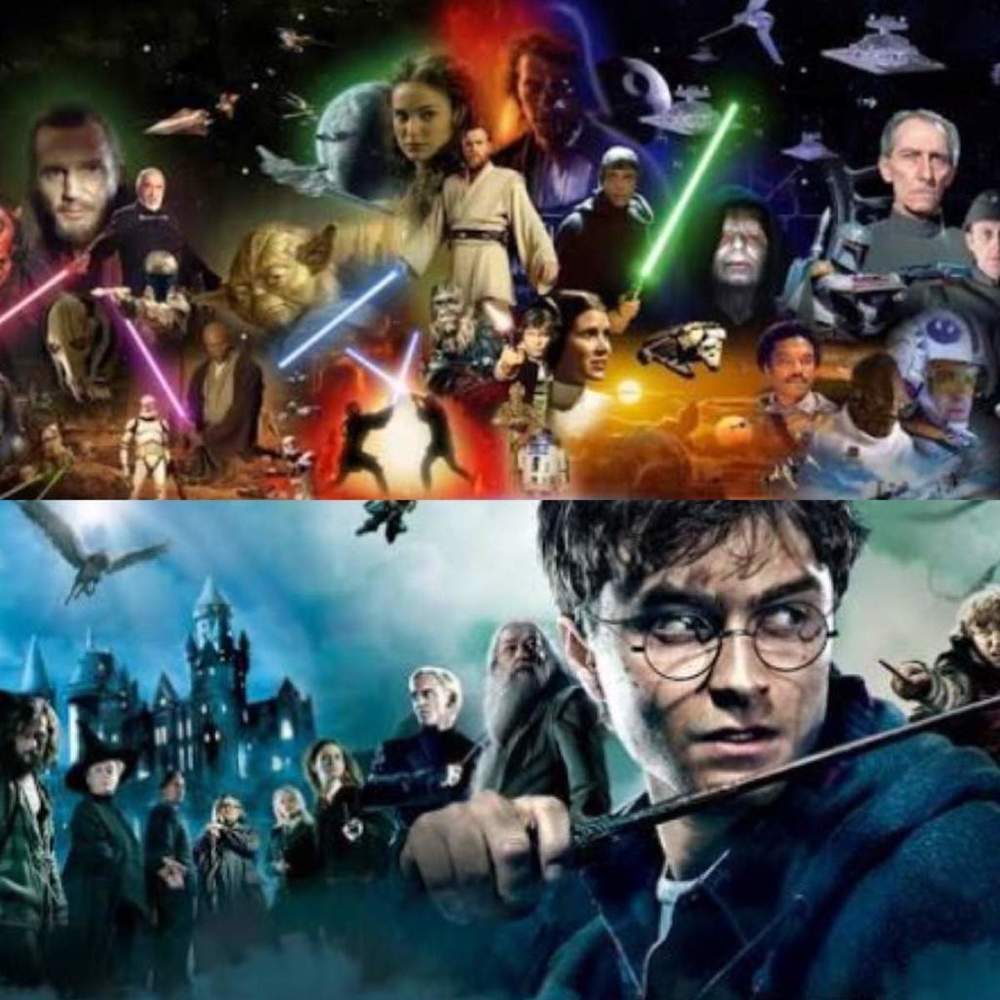
The Hero’s Journey and Mythological Roots
At the heart of both Star Wars and Harry Potter lies the classic hero’s journey—a narrative archetype popularized by Joseph Campbell. Luke Skywalker and Harry Potter are both orphans raised in mundane environments who discover they are destined for greatness. Each is guided by a wise mentor—Obi-Wan Kenobi for Luke and Dumbledore for Harry—who helps awaken their potential and sets them on their paths. Both narratives feature the call to adventure, rejection of that call, and eventual acceptance as the protagonist confronts internal and external challenges. These parallels reflect mythological storytelling traditions, deeply rooted in ancient literature, that resonate with universal human experiences. Their journeys are also marked by loss, particularly of mentors, which acts as a catalyst for maturity. In both sagas, the protagonist must choose between fear and courage, and between hate and love—central themes that shape their identities. These mythological underpinnings forge a deep emotional connection between the characters and the audience, explaining why both franchises have achieved timeless appeal.
Good vs. Evil and the Nature of Power
Both Star Wars and Harry Potter explore the struggle between good and evil through the lens of power and morality. The Sith and the Death Eaters serve as antagonistic forces that use fear, manipulation, and control to dominate others. Conversely, the Jedi and the members of the Order of the Phoenix embody ideals of justice, self-sacrifice, and compassion. Central to both narratives is the idea that power alone is not evil, but the way it is used determines moral standing. Anakin Skywalker’s fall to Darth Vader mirrors Tom Riddle’s transformation into Voldemort—both powerful individuals corrupted by ambition, fear, and a desire for control. Redemption plays a key role in Star Wars, with Vader’s ultimate return to the light, while Harry Potter offers a cautionary tale of a villain (Voldemort) who cannot be redeemed. The stories also critique institutions that allow evil to thrive—such as the bureaucratic flaws of the Ministry of Magic and the Galactic Senate. Ultimately, they encourage audiences to resist authoritarianism and to fight for what is right, even in the face of overwhelming odds.
Friendship, Loyalty, and Found Family
Another common thread linking the two franchises is the theme of friendship and found family. Luke, Leia, and Han form an unbreakable trio, much like Harry, Ron, and Hermione—each character complementing the others with unique strengths. These friendships are not just emotional anchors but also vital to the protagonists’ ability to succeed in their respective missions. Both sagas show that heroes are not defined solely by their powers, but by the bonds they form and the people they choose to stand beside. Found family becomes especially important in the absence of blood relatives; Harry is isolated at the Dursleys’ and finds kinship at Hogwarts, just as Luke loses his family on Tatooine and is adopted into the Rebel cause. Loyalty is tested and proven time and again, through betrayals, reconciliations, and shared hardships. The importance of community in both stories teaches that even the greatest individual cannot succeed alone. In highlighting these relationships, Star Wars and Harry Potter emphasize that love and unity are stronger than fear and hatred.
Legacy, Destiny, and the Burden of Prophecy
Destiny plays a significant role in both Star Wars and Harry Potter, often framed through prophecy and family legacy. Luke is the son of the Chosen One, Anakin Skywalker, and must grapple with what that means for his identity and future. Similarly, Harry is the subject of a prophecy that marks him as the only one who can defeat Voldemort, binding his fate to the Dark Lord from infancy. These predetermined paths weigh heavily on both characters, creating internal conflict between personal desire and perceived duty. The franchises question whether destiny is truly fixed, or whether individuals have the freedom to shape their own paths. Characters like Rey and Neville Longbottom also challenge traditional interpretations of legacy and prophecy by rising to importance in unexpected ways. The generational impact of choices—Vader’s fall and redemption, or Snape’s secret loyalties—demonstrates how the past constantly shapes the present. Through this lens, both series explore how individuals reconcile inherited legacies with personal values, making the concept of destiny feel both epic and intimate.
Cultural Impact and Lasting Influence
Star Wars and Harry Potter have each left an indelible mark on global pop culture, influencing generations of fans and creators. Both franchises redefined blockbuster storytelling—Star Wars with its groundbreaking special effects and space opera grandeur, and Harry Potter with its immersive magical world and serialized character development. Their fandoms share many similarities, from cosplay and conventions to academic analysis and online communities. The franchises have also expanded beyond film and books into theme parks, merchandise, and multimedia adaptations, shaping how stories are monetized and franchised in modern media. Each has inspired countless parodies, homages, and debates about morality, politics, and identity. They also prompted discussions about representation and inclusivity, as newer generations demand broader perspectives within these beloved universes. The cultural footprint of both stories ensures their continued relevance—not just as entertainment, but as part of the collective imagination. Ultimately, Star Wars and Harry Potter are not just stories—they are mythologies for the modern age.